








NURSING &
HEALTH SCIENCES
Department of Nursing and Health Sciences
By integrating nursing and health sciences, we scientifically explore human health and strive to realize a sustainable, healthy society.
Nursing Engineering and Women’s Health Nursing
Physical and mental discomfort associated with the menstrual cycle is thought to stem from excessive activity in the amygdala, affecting both emotions and physiological responses.
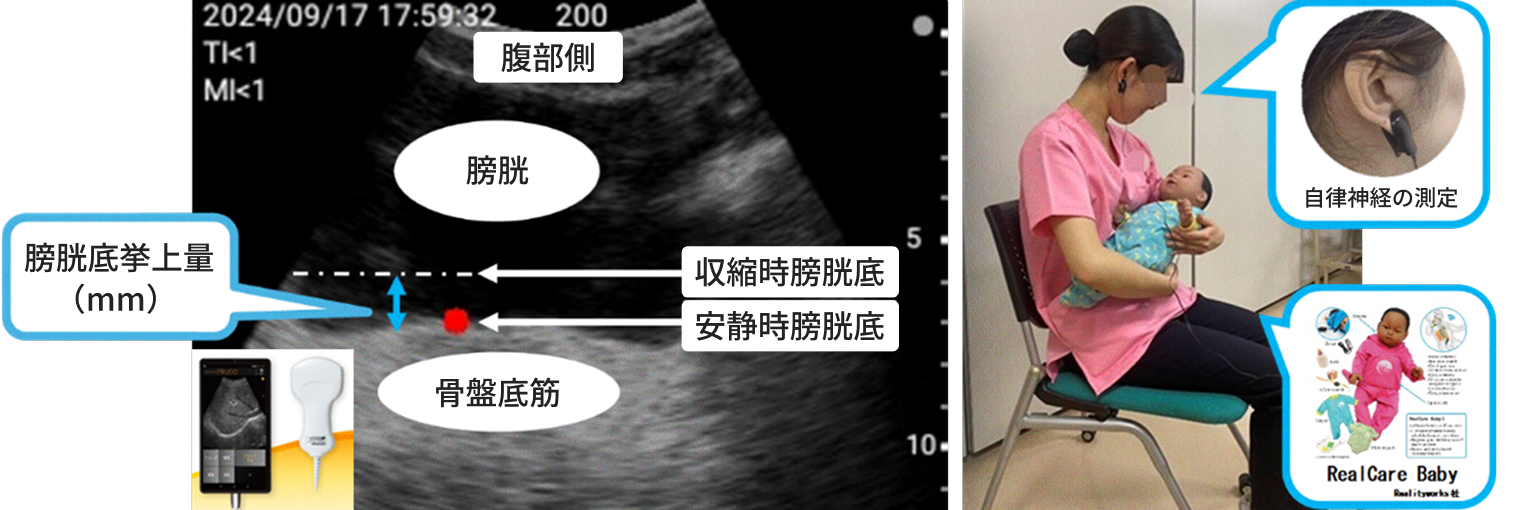
We are developing technologies to capture stress responses through physiological indicators, such as changes in the autonomic nervous system, to objectively visualize mental and physical states.
Furthermore, we use ultrasonography to visualize changes in pelvic floor function caused by aging, pregnancy, and childbirth, applying these findings to urinary incontinence prevention and self-care support.
Through interdisciplinary collaboration among nursing, medicine, engineering, and science, we aim to support women's health throughout their entire life cycle by building healthcare support systems for daily life.
Oncology Nursing and Care Systems
In the Oncology Nursing and Care Systems research field, we address a wide range of challenges in cancer nursing, spanning from cancer prevention and post-treatment survivorship to end-of-life care.
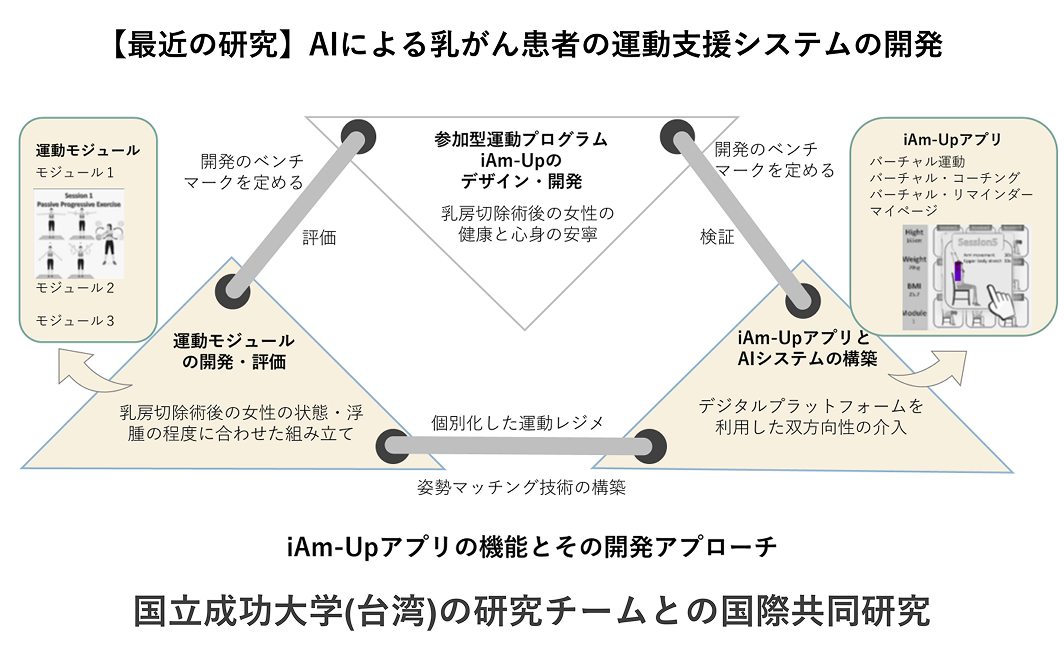
We also specialize in research regarding regional medical and long-term care systems utilizing big data. Recently, we have been developing AI systems that can be used by patients, families, and healthcare professionals in the community.
Moving forward, we will continue to promote medical-engineering collaboration and international joint research to improve the quality of nursing and care systems.
International Developmental Care and Support Nursing
Our laboratory focuses on the following primary research areas:
- Fact-finding and implementation research on telemedicine and remote care delivery.
- Research on the Quality of Life (QOL) of children living with chronic illnesses.
- Research on children living with chronic illnesses and the families who support them.
- Research on psychological preparation and distraction techniques for children.
- Research on decision-making and school reintegration support for pediatric cancer patients and their families.
- Research on the daily lives, caregivers, and families of children with medical complexities.
- Research on siblings of children with illnesses ("Kyodai-ji").
- Research on ideal nursing practices in pediatric wards (NICU, GCU, PICU, toddlers, school-age children, and adolescents).

Community and Public Health Nursing
Aiming for a society that realizes the well-being of all people, we tackle social issues surrounding human life and health.
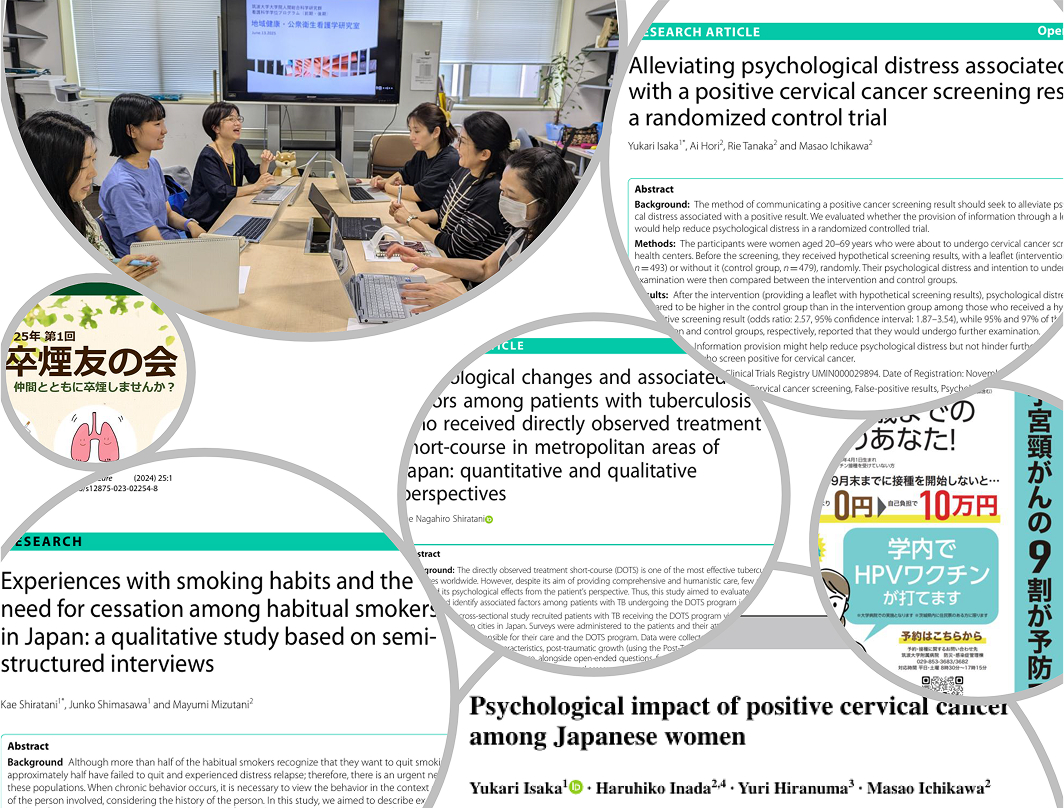
Our primary research themes include regional medical support and system evaluation for chronic illnesses, smoking cessation and prevention activities, promotion of HPV vaccination, improvement of cancer screening notifications, care systems for underpopulated and remote island areas, the health of disaster relief professionals, prevention of social isolation, and planetary health education. We also focus on program development incorporating "Nudges" (behavioral change theory) and evidence-based policy recommendations. Research by our graduate students is equally diverse, covering themes such as workers and workplaces, schools, gender, parenting, and caregiving, alongside international collaborative research.
Global Health Nursing
This laboratory transcends conventional nursing boundaries—such as mind and body, hospital and community, or Japan and the world—to study nursing as a science from a global perspective and explore new models of practice. To address the increasing number of foreign residents with diabetes in Japan, we analyze the care needs of patients from Asian countries through their linguistic, cultural, and economic backgrounds to develop effective self-management support tools.
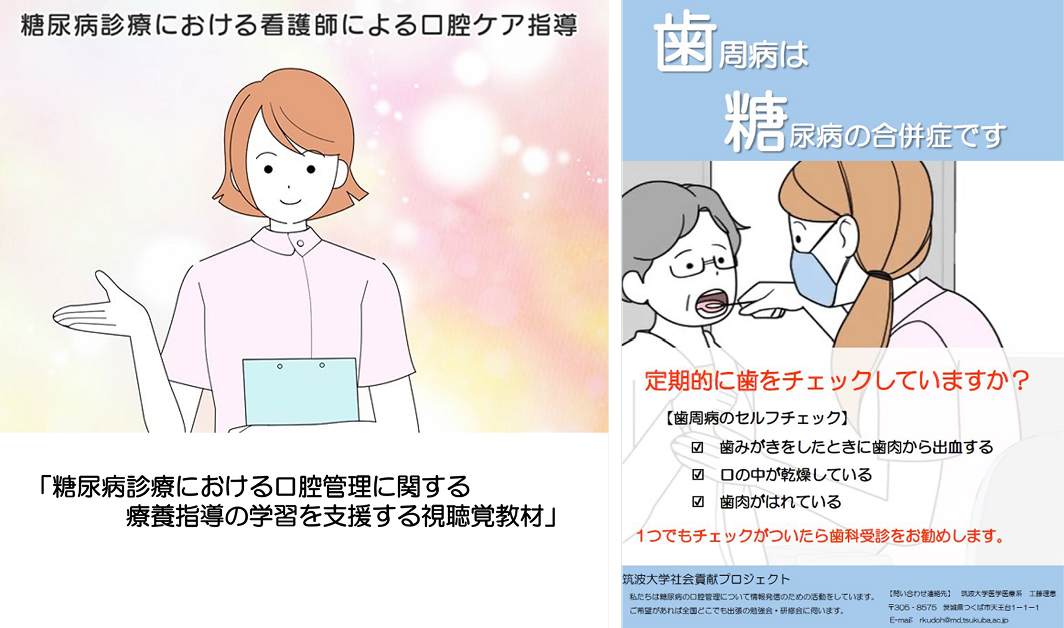
Additionally, we focus on the link between diabetes and periodontal disease, developing oral management support guides and educational programs for nurses and dental hygienists to realize comprehensive health management through medical-dental collaboration. Furthermore, we develop nursing education programs focused on the strengths of individuals with schizophrenia, aiming to build a support system that allows patients to find new values in life by improving the recovery support capabilities of the entire medical team.
Chronic Care Management Nursing
Care that stays by your side, through research
— For the "future" of everyone, from children to the elderly.
Our laboratory focuses on transitional care for individuals with childhood-onset diseases, particularly the medical care systems, specialist systems, and educational support for Adult Congenital Heart Disease (ACHD).
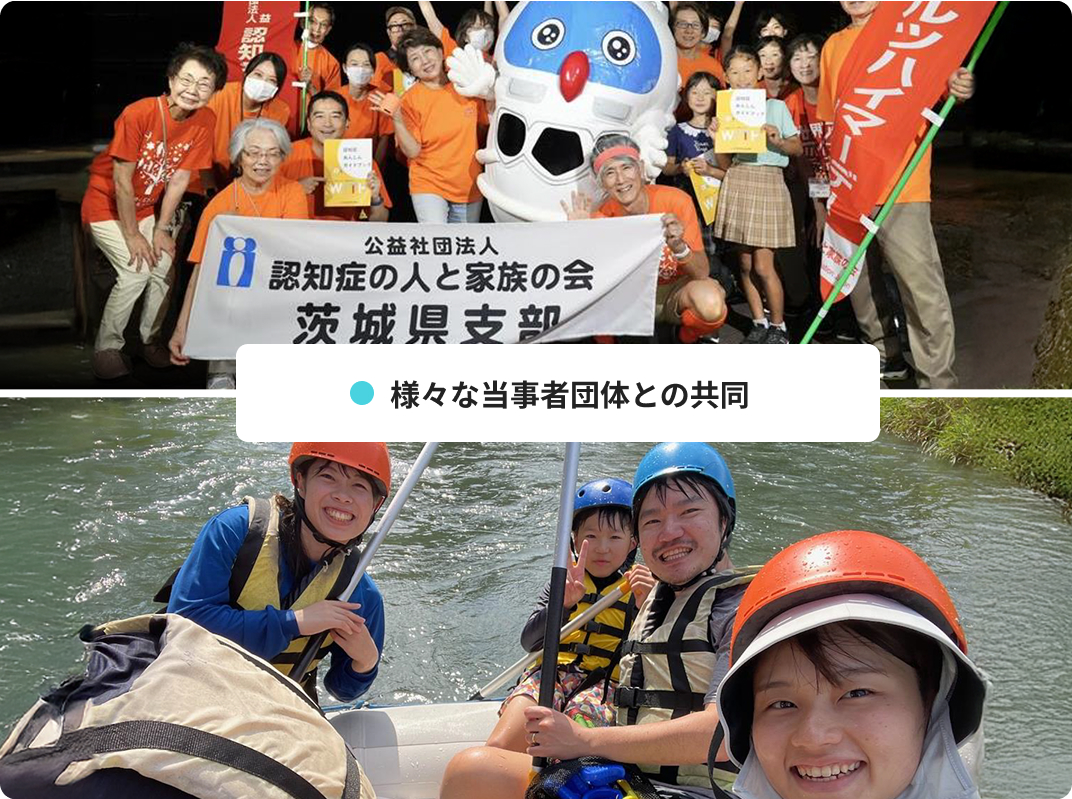
Furthermore, we address problem-solving for various stages of life, including support for people with dementia and their families, as well as palliative care for critically ill or terminal patients. We conduct national fact-finding surveys, qualitative research including Natural Language Processing (NLP), big data research, and intervention studies. We also emphasize "PPI" (Patient and Public Involvement), where we consider challenges alongside patients and citizens.
Listening to the voices of those living with illness and seeking better forms of care in collaboration with physicians, nurses, multidisciplinary teams, patients, and corporations — that is the research we strive for.